The numbers are not abstract. The 65-and-older population is growing from about 62.7 million in 2025 to roughly 71.6 million by 2030. The 85-and-older group is on track to nearly triple by 2060. Those are families, and every one of them will need somewhere to live and be cared for.
At the current pace of construction, the country is on track to add only a fraction of the senior housing units that demographers say we will need by 2030. The shortfall is measured in the hundreds of thousands of units.
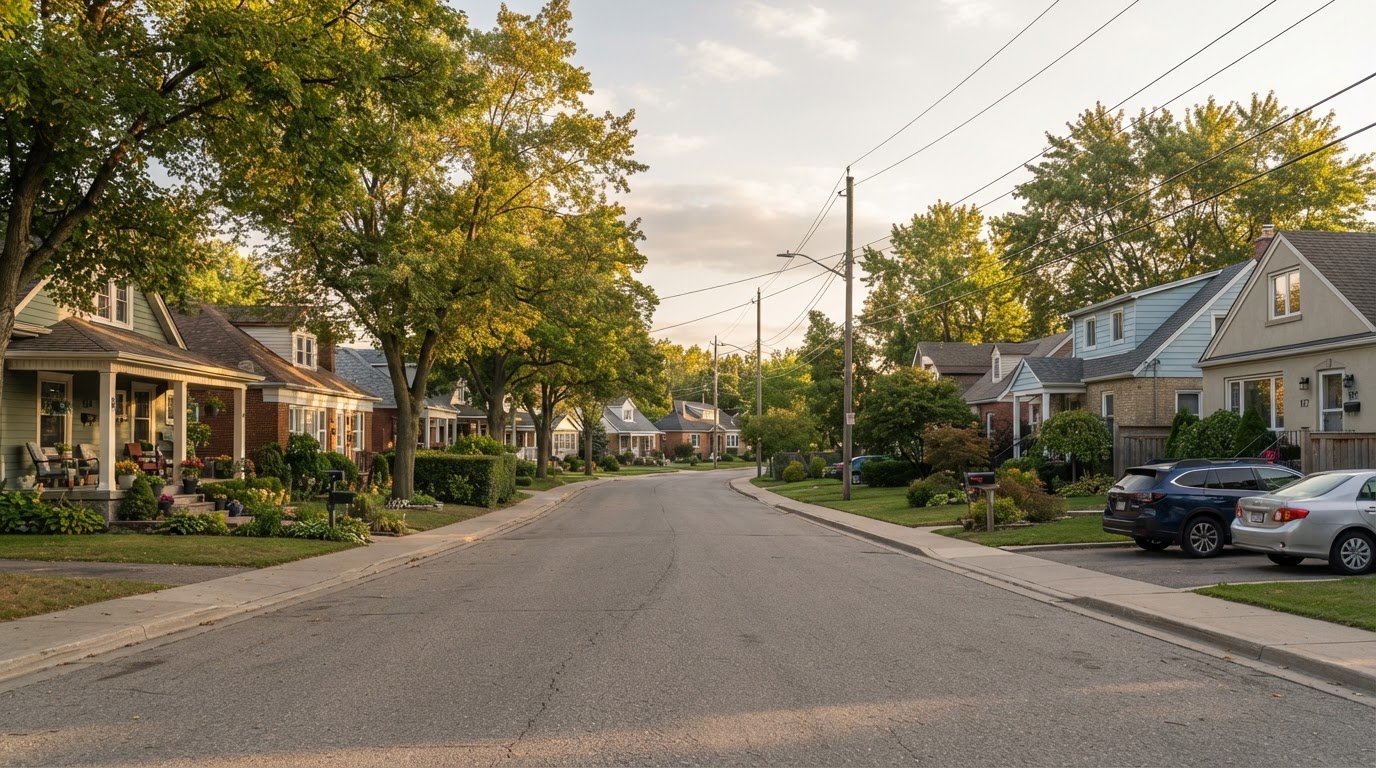
Big-box development is slow, expensive, and capital-intensive. A single new assisted-living building can take years and tens of millions of dollars to stand up. Meanwhile, a residential home on a quiet street can be licensed and opened in a fraction of that time, serving 10 to 20 residents who would otherwise be waiting for a bed that does not exist.
That is the opportunity. Not a trend to chase, but a gap in the market that a small operator with the right playbook can fill. The shortage is real. The solution is local, residential, and human-scale.
We do not promise that every home succeeds, or that the numbers mean easy money. They do not. This is a real business with real licensing, real staff, and real residents. But the demand is not a projection you have to take on faith — it is already here.